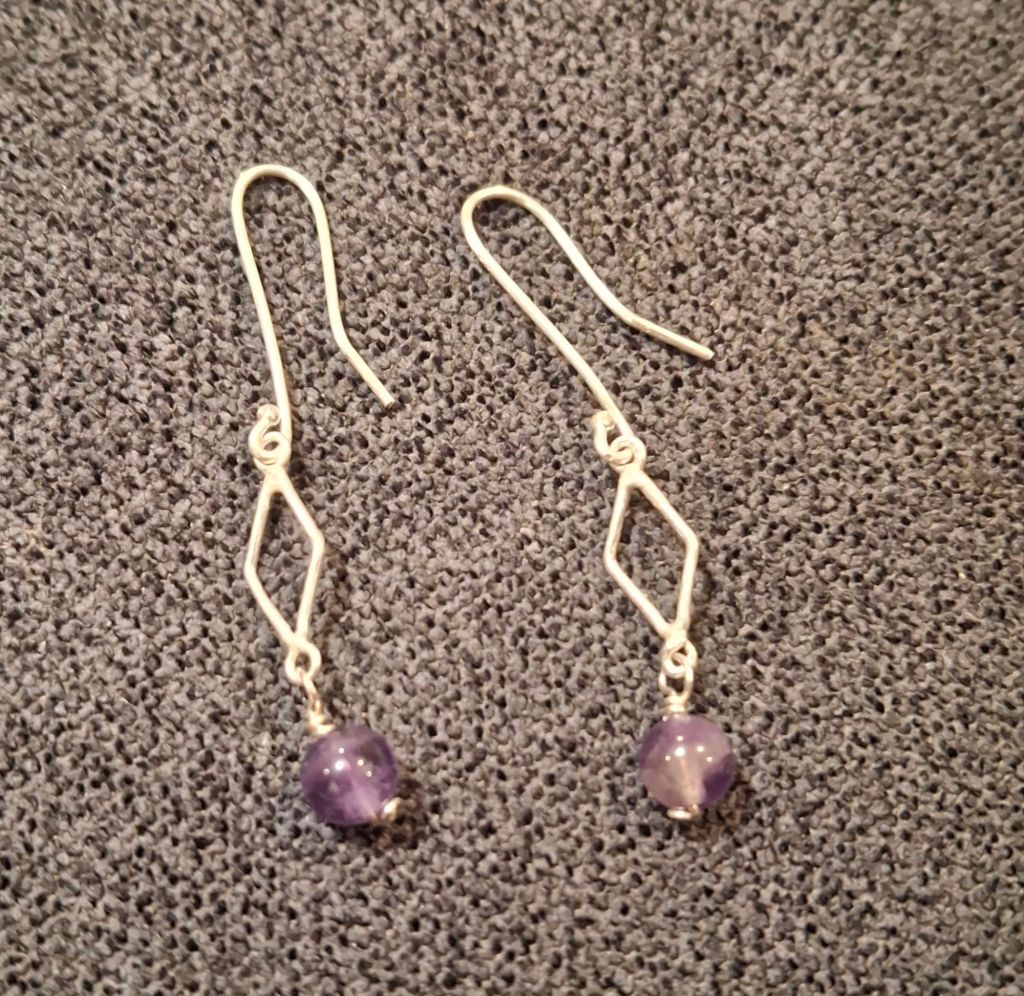
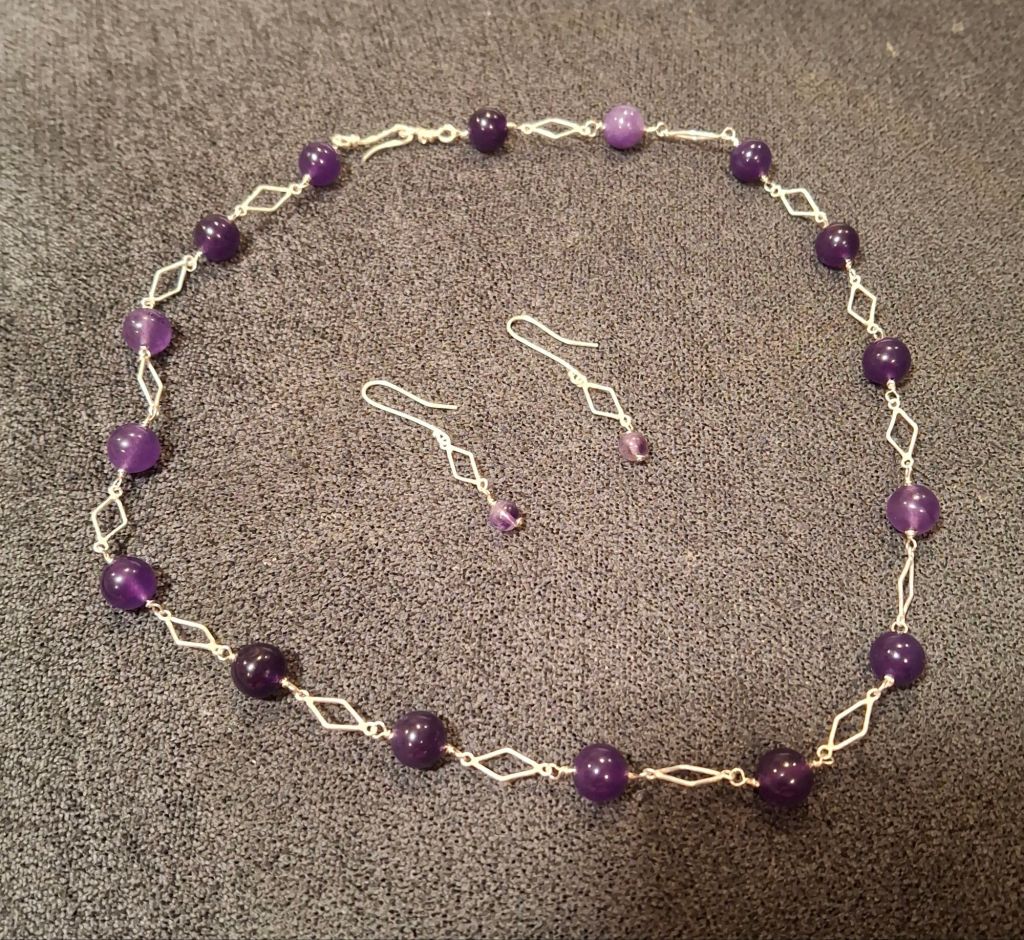
• This was originally posted on Blogger in January of 2020. Reposted here with the same photos and some slightly tweaked text.

    So I want to show you two ways of finishing your necklace, both valid. A basic hook and eye, made cold with just pliers, is readily documented to Roman occupied regions from at least the 1st century BCE to about the fall of the empire. Once you get into the 5th-6th centuries CE, you start seeing more complicated filigree hooks and eyes. There’s definitely overlap, and there’s evidence of filigree before that point. What I’m saying is that either of these methods work, the complexity of the finished piece is more representative of the wealth and station of the owner, as well as the skill of the craftsman, rather than necessarily the exact time period. (The style of chain in my first post on this subject can also be seen through that same several hundred year period.)

    Fun fact, the cost of jewelry in the Empire seems to have been based on the weight of the gold more than the style, so price did not necessarily drive style.

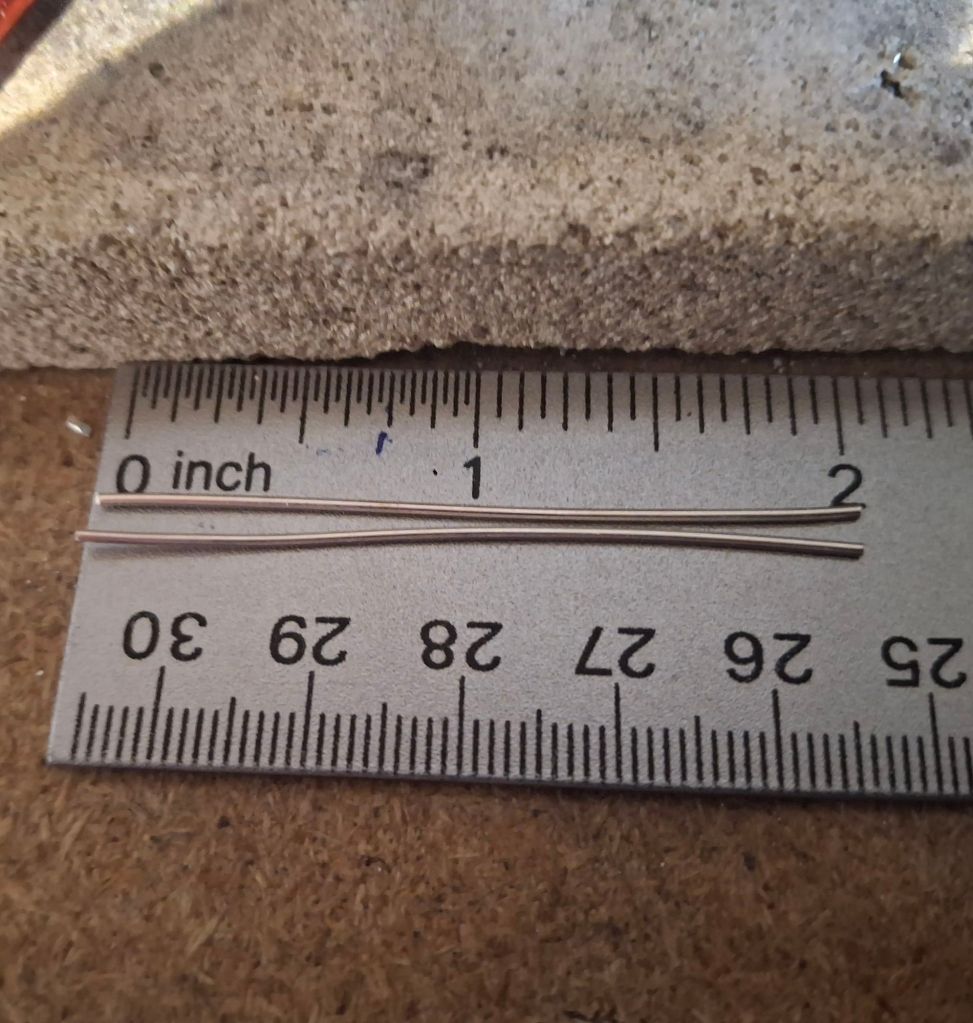
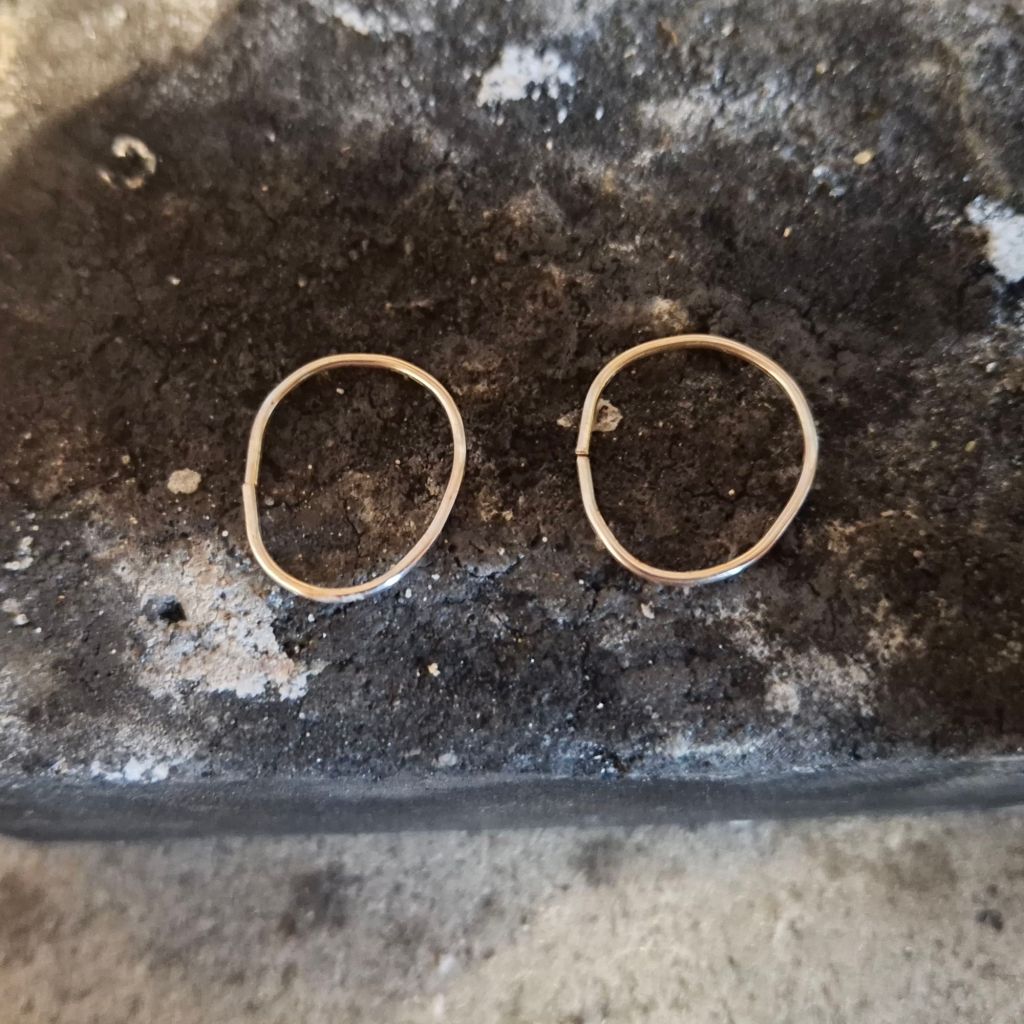
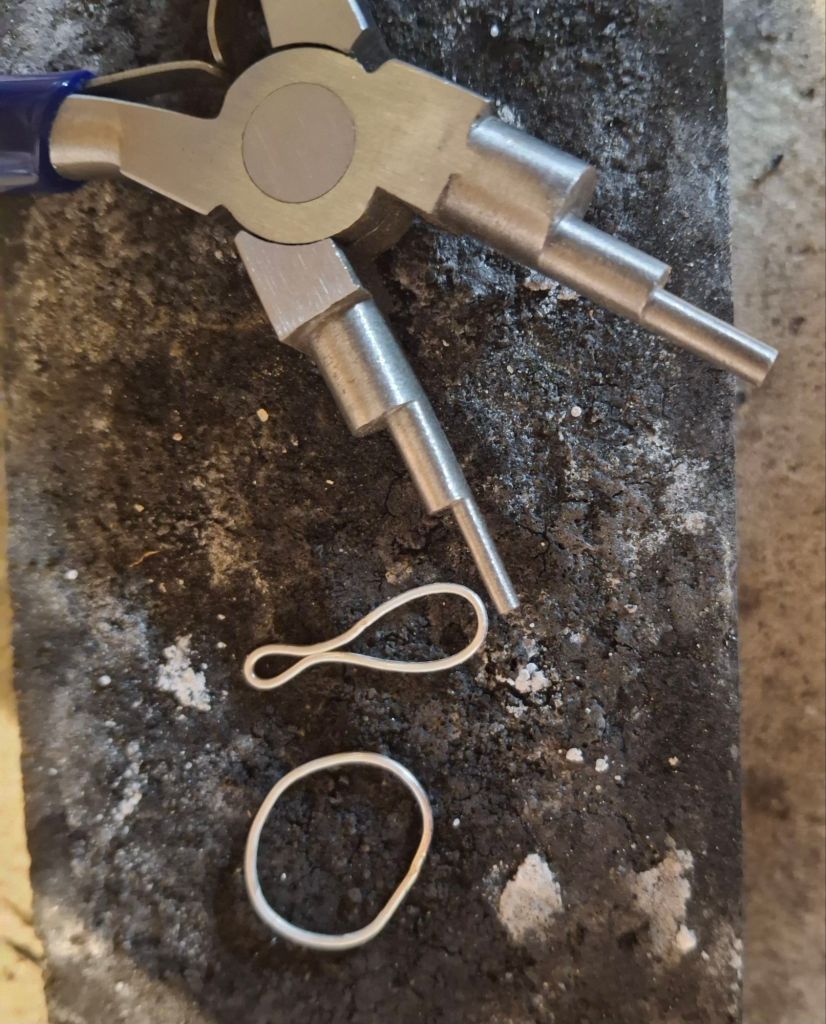
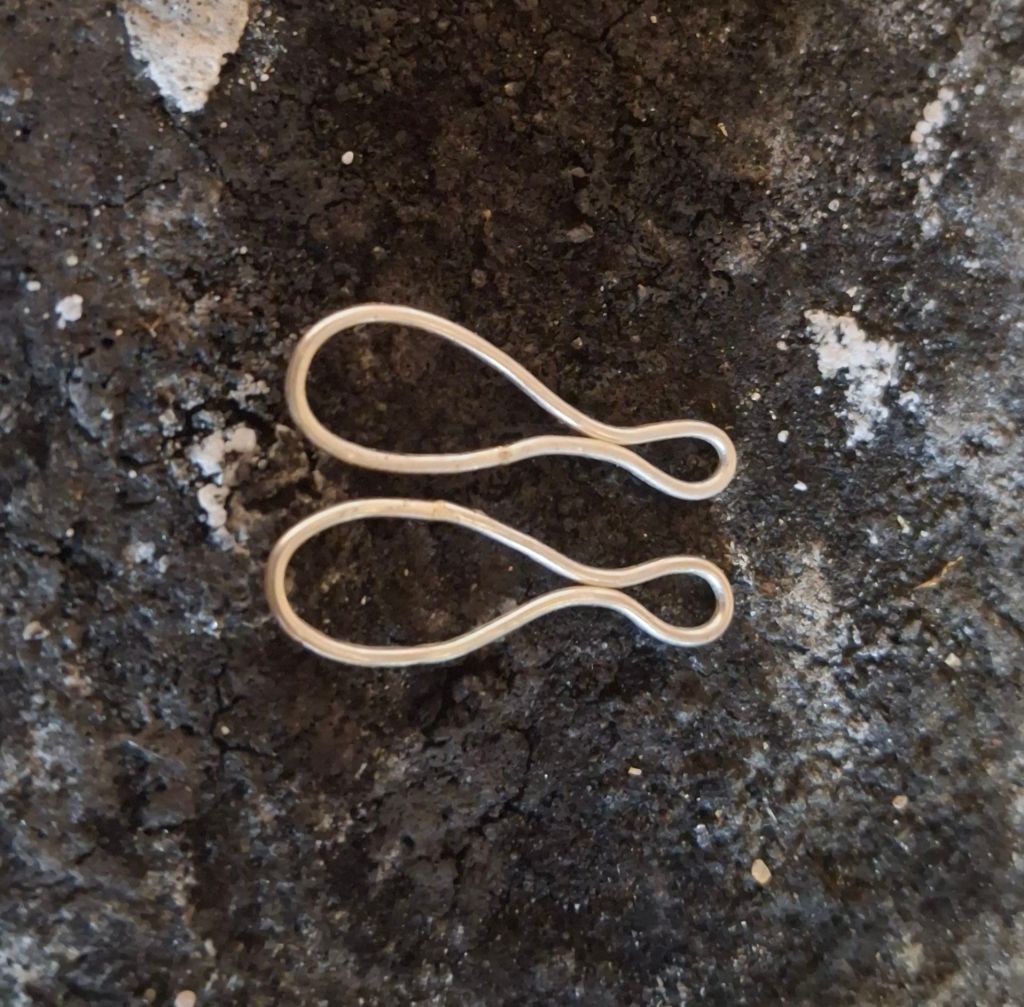
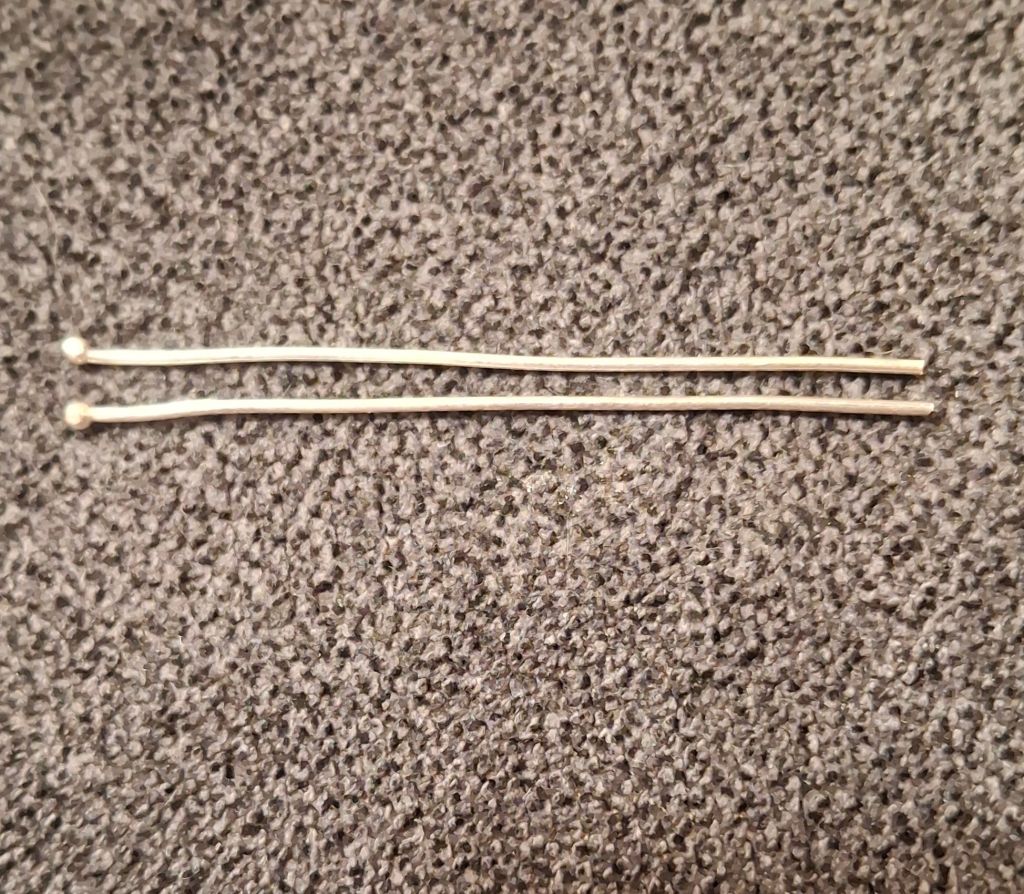
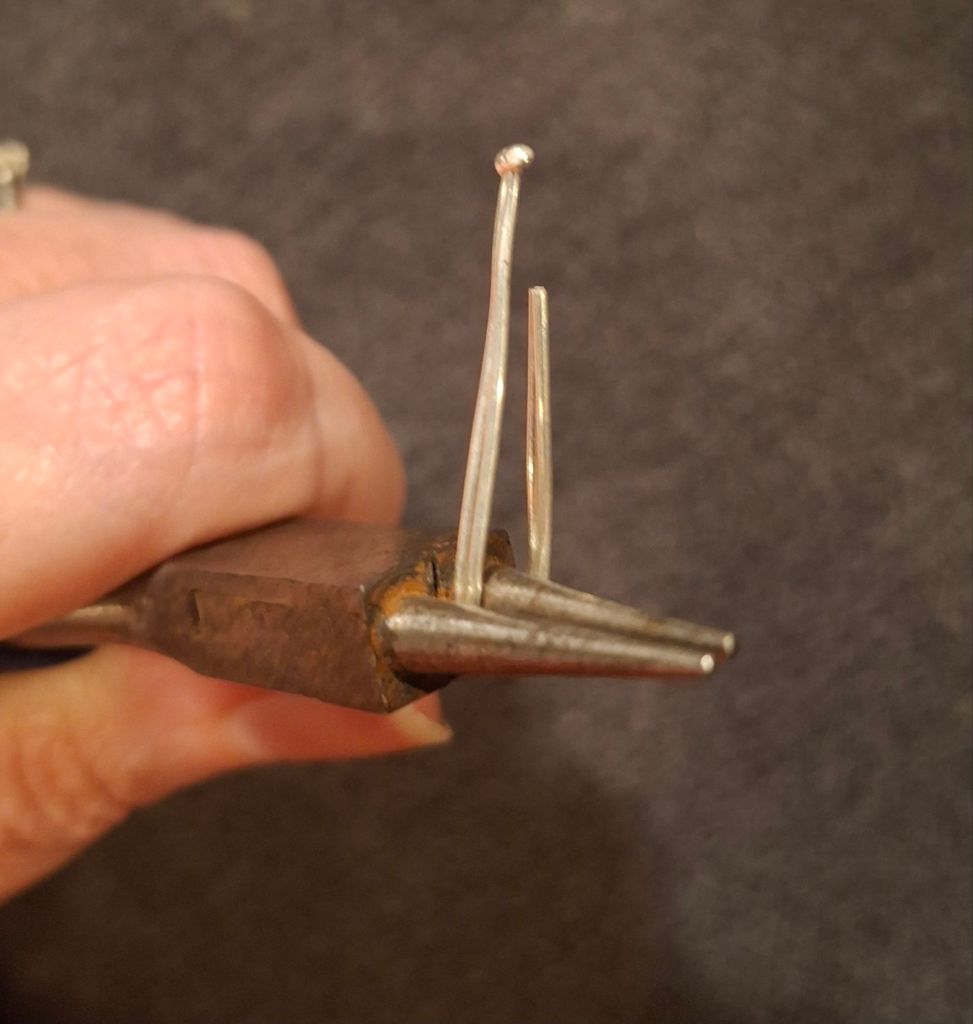
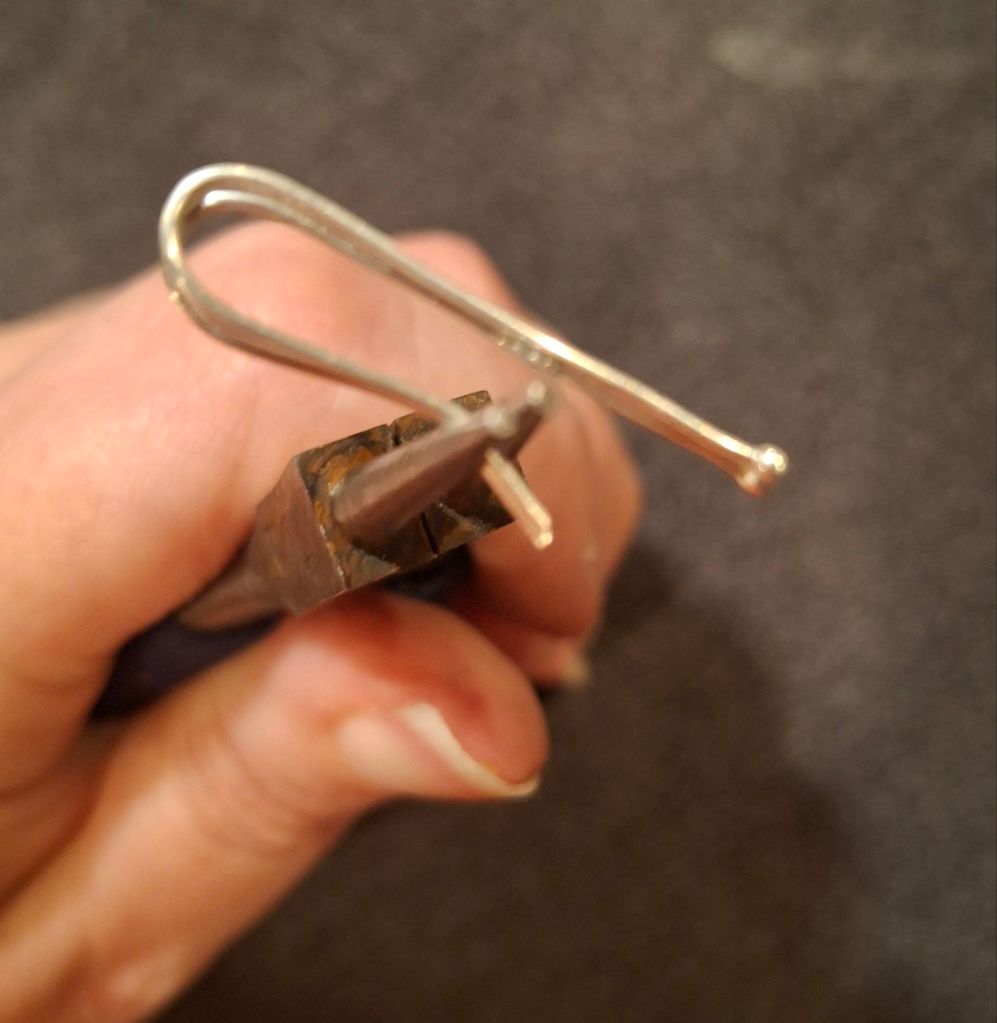
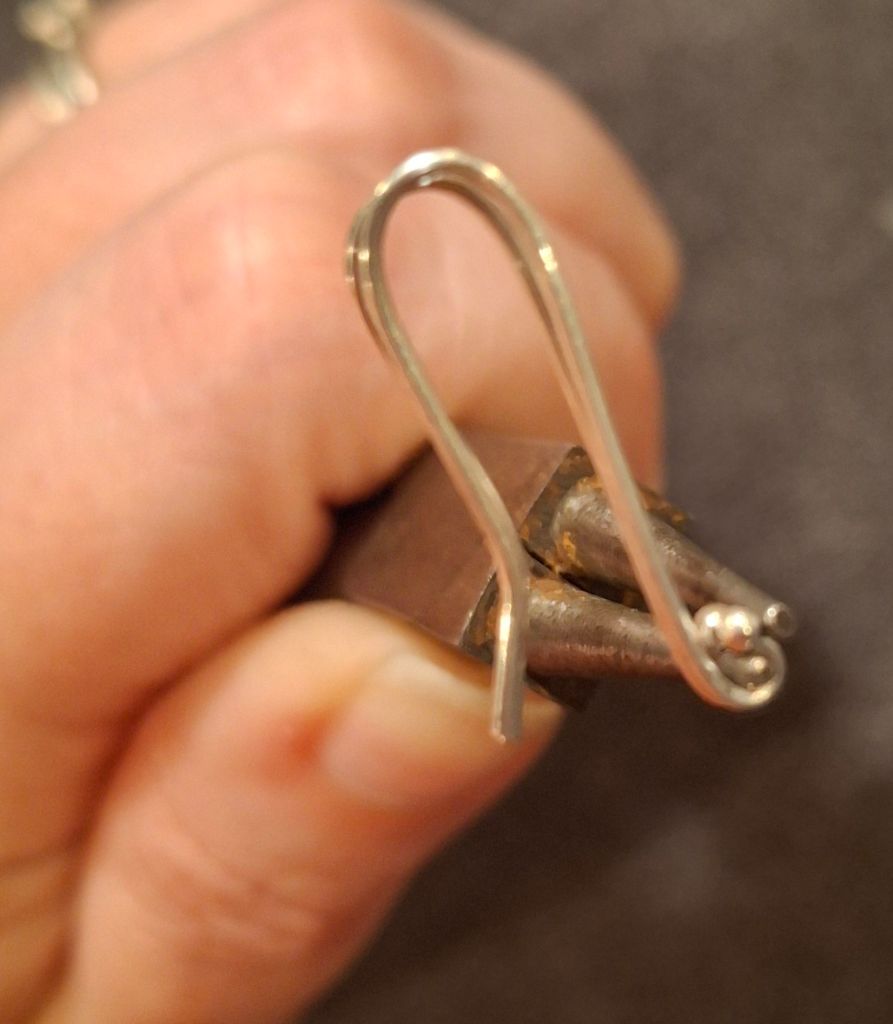
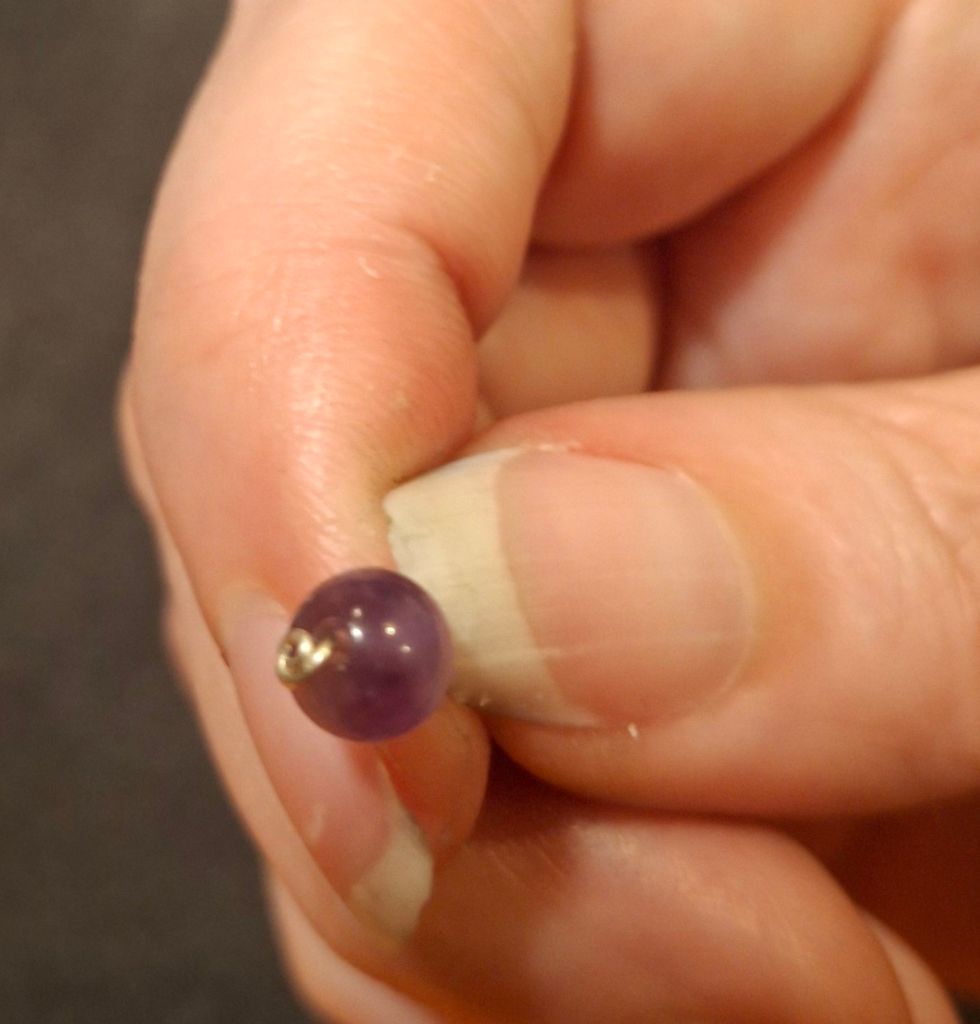
    Anyway, a basic hook and eye is really easy! If you made the chain, you’ve been making eyes for a while now! I wanted to use a sturdier wire for my fastening, so I simply made one more link, without a bead, exactly the way I made all the other links, just using 16 gauge wire instead of 20. 16 gauge is super beefy. 18 or 20 is just fine in brass, and I’ve used 20 and 18 in silver as well. I wouldn’t go less than 20, though. And make sure you work harden it. You do that by working it through your fingers a bit before forming, or by beating the finished hook with a rubber or hide mallet (something soft enough that won’t deform the metal).

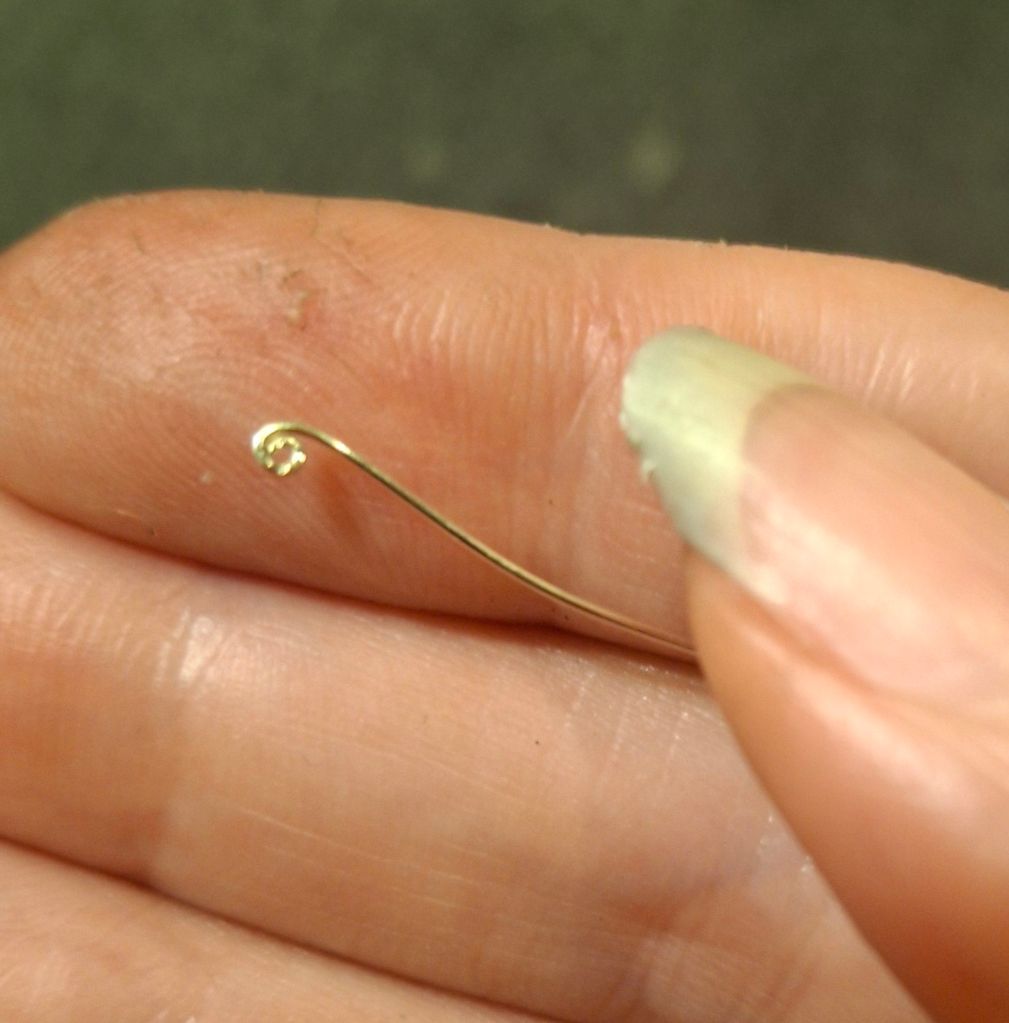
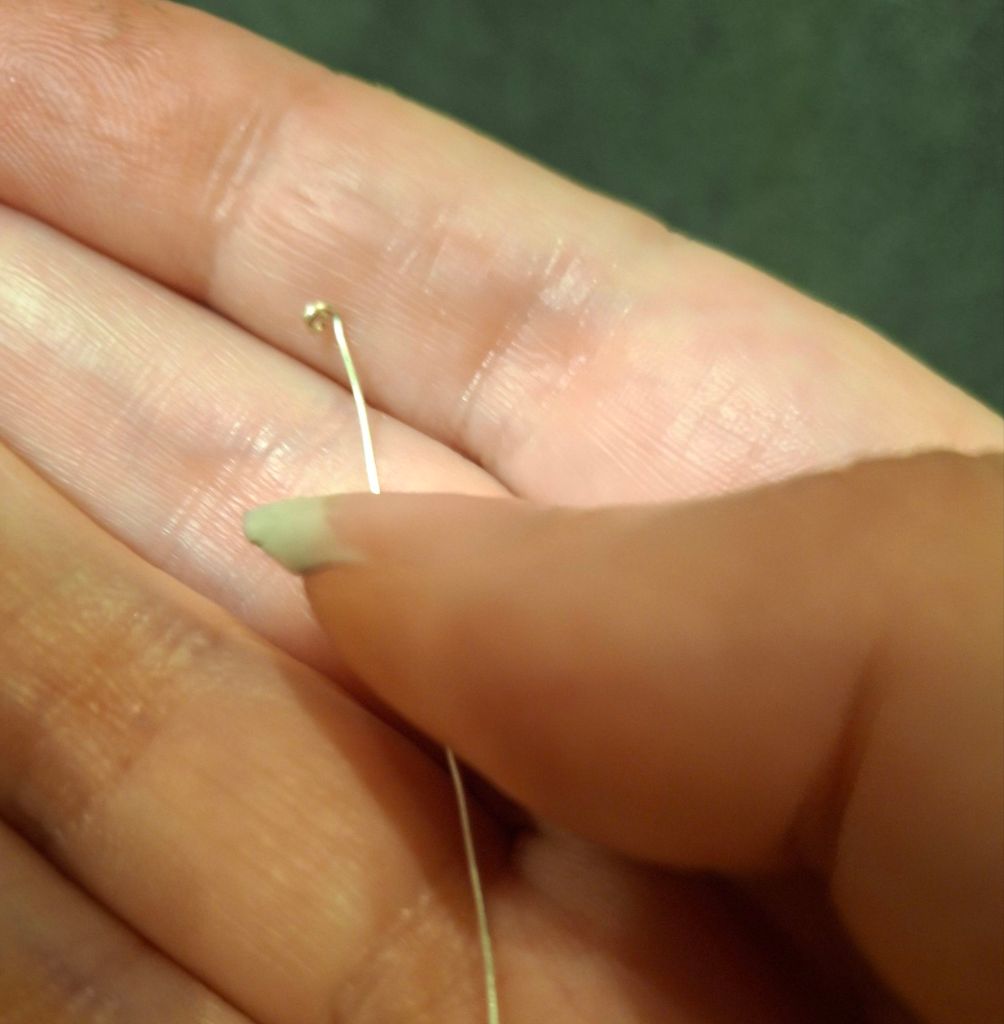
    For the hook, it’s even easier. Form a hook on one end of a piece of wire (a few centimeters in length). Then attach it to the other end of your chain the same as all the other links. Six years after writing this, I like to do it the other way around. I like to attach a straight wire and then form the hook, but both ways work.

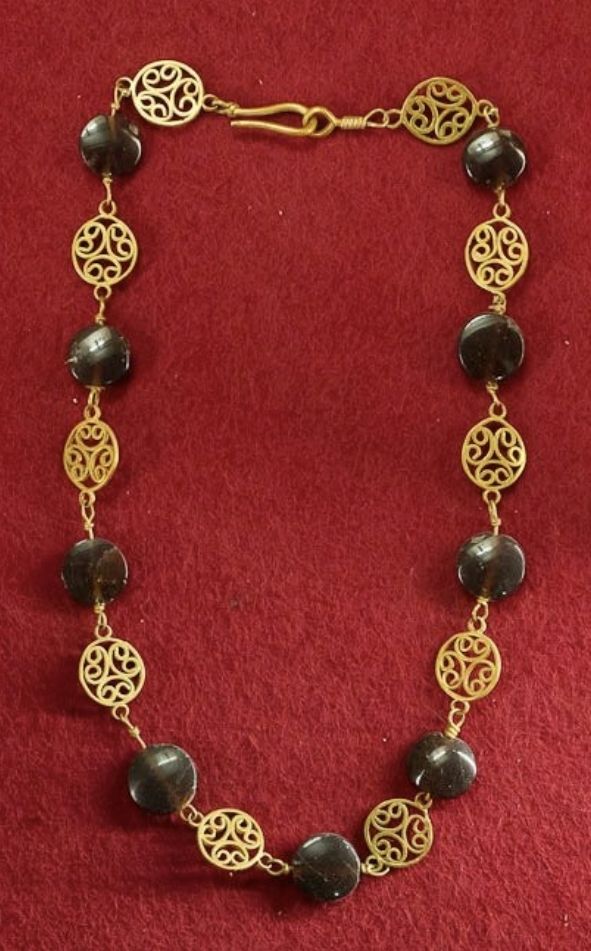
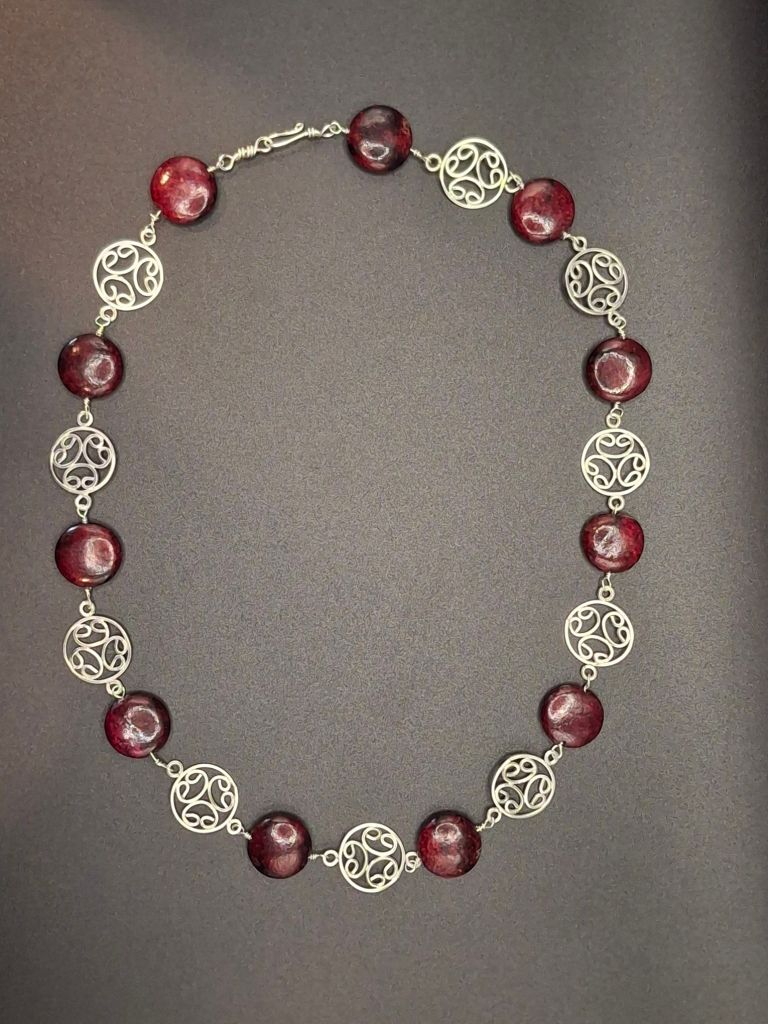
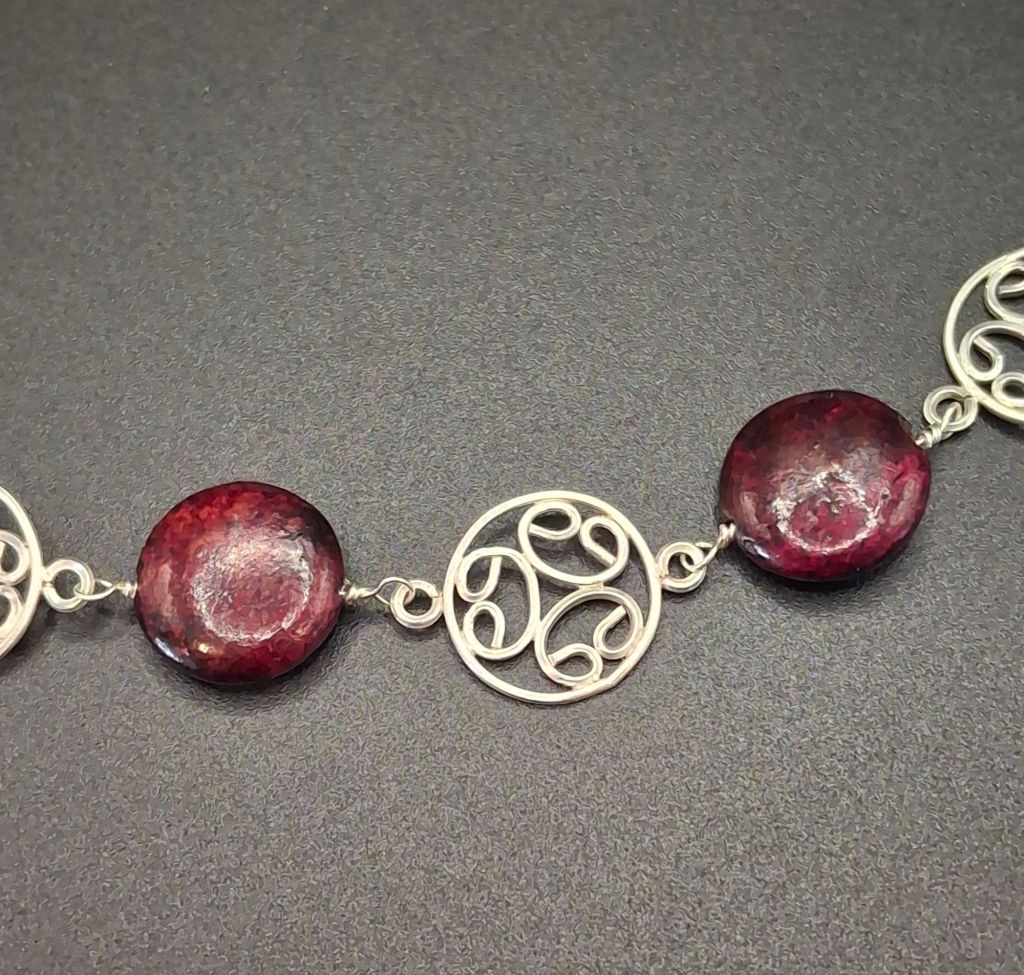
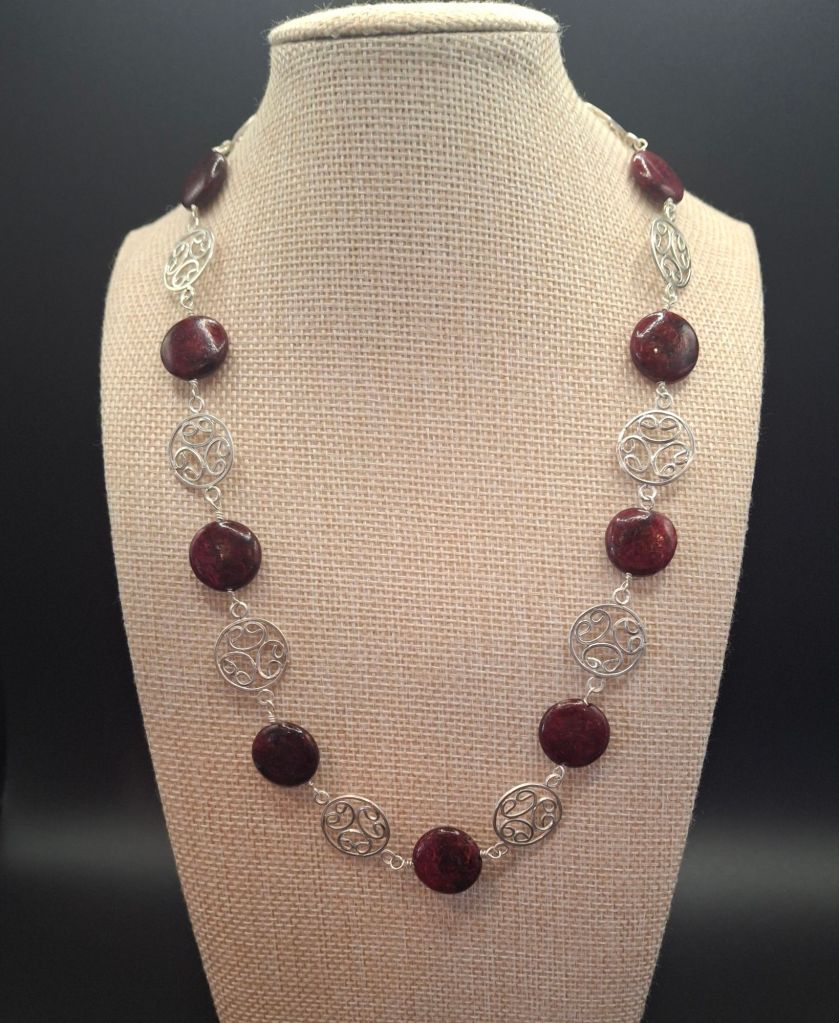
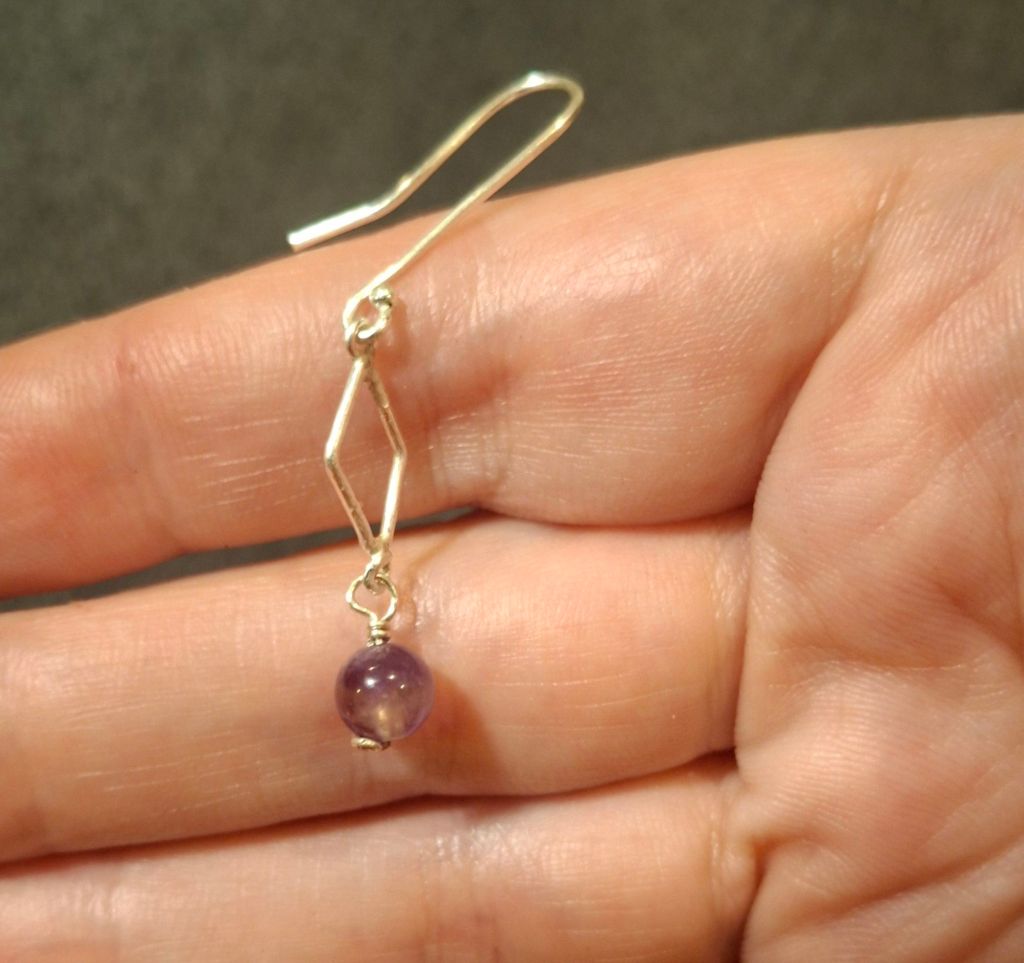
    And here’s our finished piece!

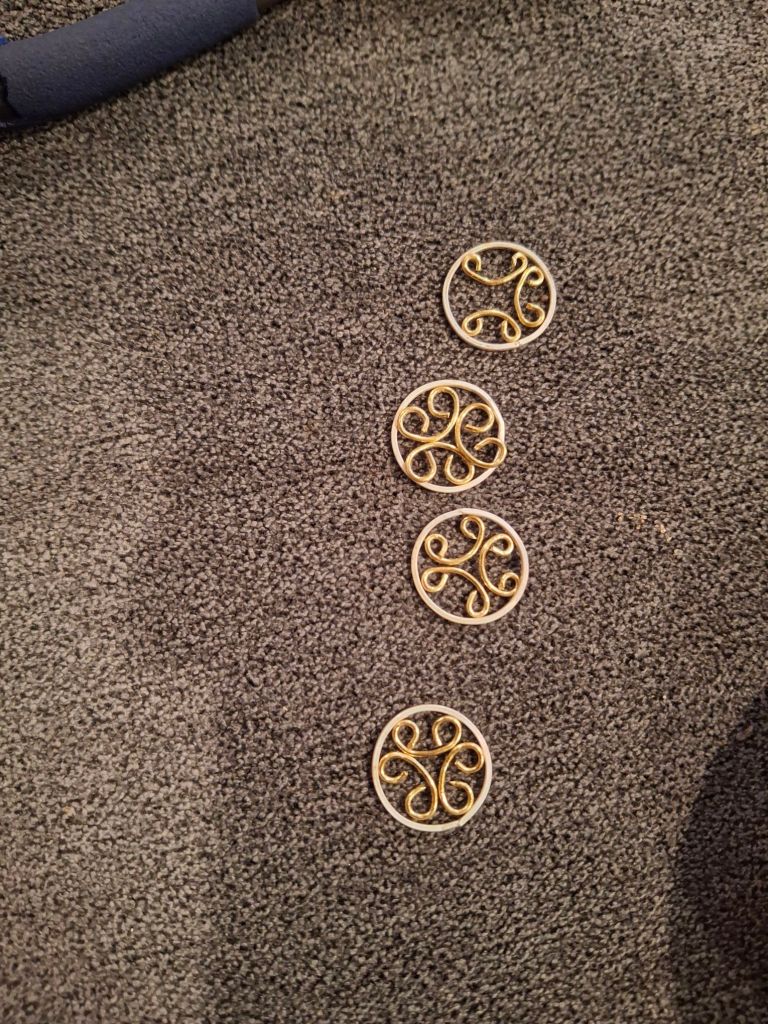
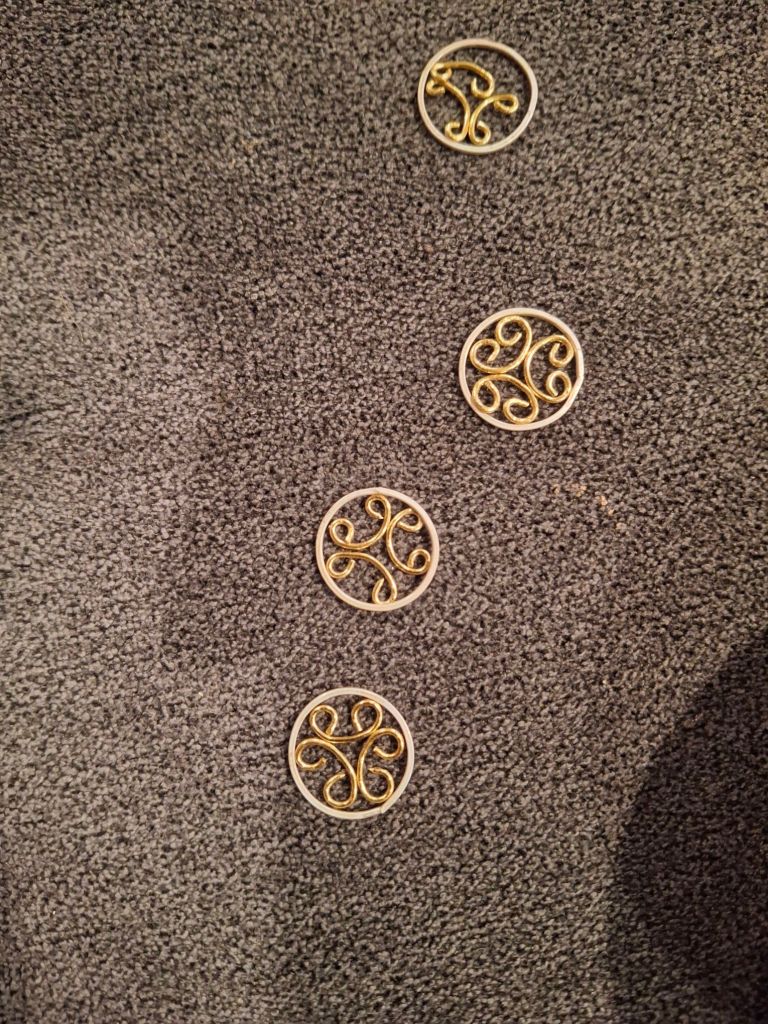
    The filigree clasp is up next!

  • Originally pasted on Blogger January of 2020. This post uses the same photos, the text has minor updates.

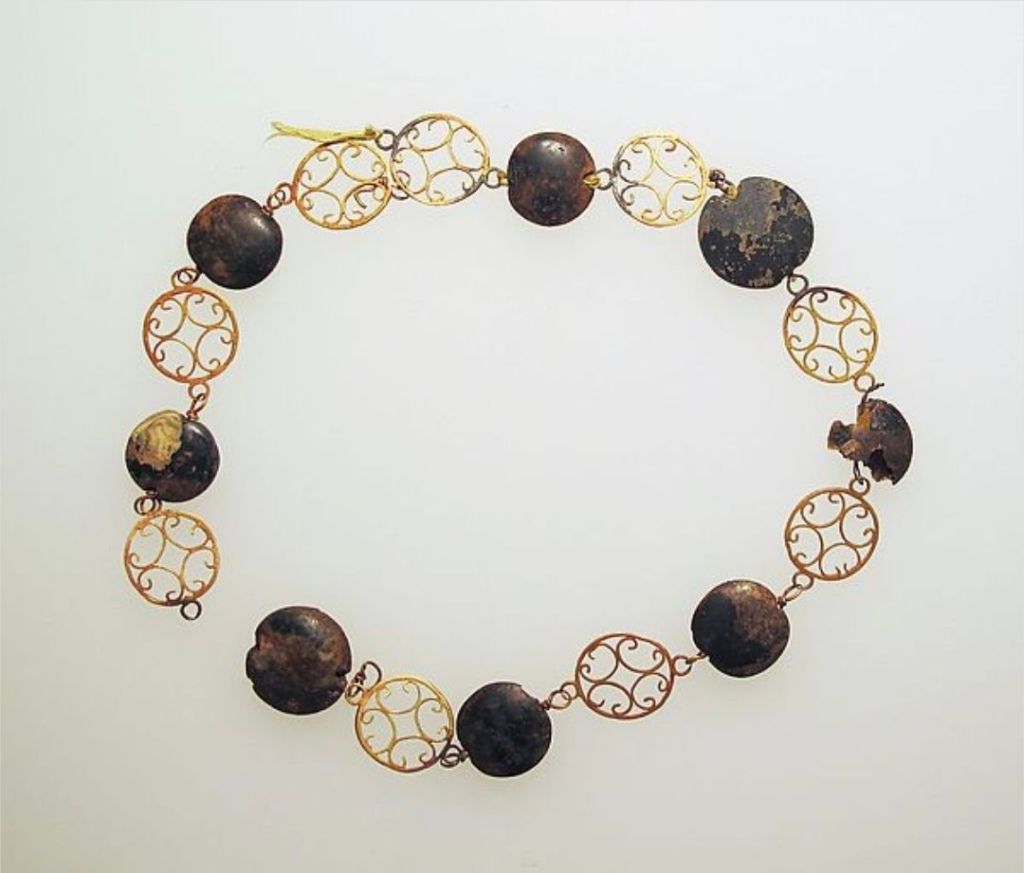
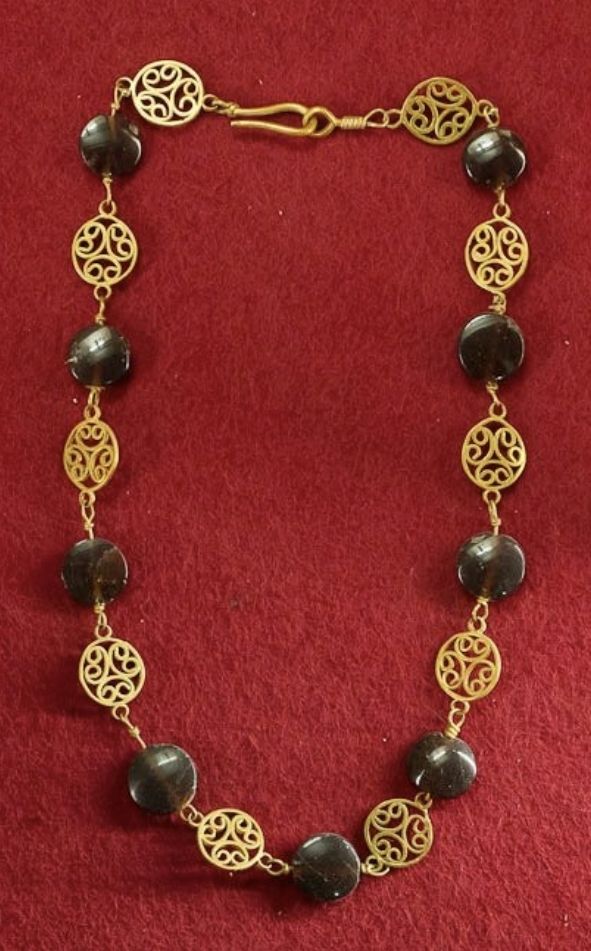
    I found this necklace on The Met’s Pinterest page, and several more, similar ones, from various sources. It’s a relatively easy thing to make (except the clasp; this particular one is a lovely piece that involves some soldering, and slightly more advanced skills). But this is a tutorial on the chain itself. I’ll make a subsequent post on making a simpler (still documentable) hook and eye closure, and then we’ll tackle something like the more complicated clasp in the original. 

    For now, the chain! I don’t have any beads similar to the original, so I just pulled some from my stash that seemed a similar enough size, and that looked nice together. I ended up not using one of the ones in the photo. I also have 20 gauge brass wire (the original is gold), round nose pliers, wire cutters, and not pictured, some needle nose pliers. 22 or 24 gauge wire would also be suitable. 24 would be very fine, and fiddly, and inconsistent with most period necklaces that I’ve looked at in the last six years. There is documentation for wire that fine having been used in ancient times, but not, as far as I can tell, in this context. Gauge or wire thickness is never indicated in museum notes, but you can get a sense of scale usually.

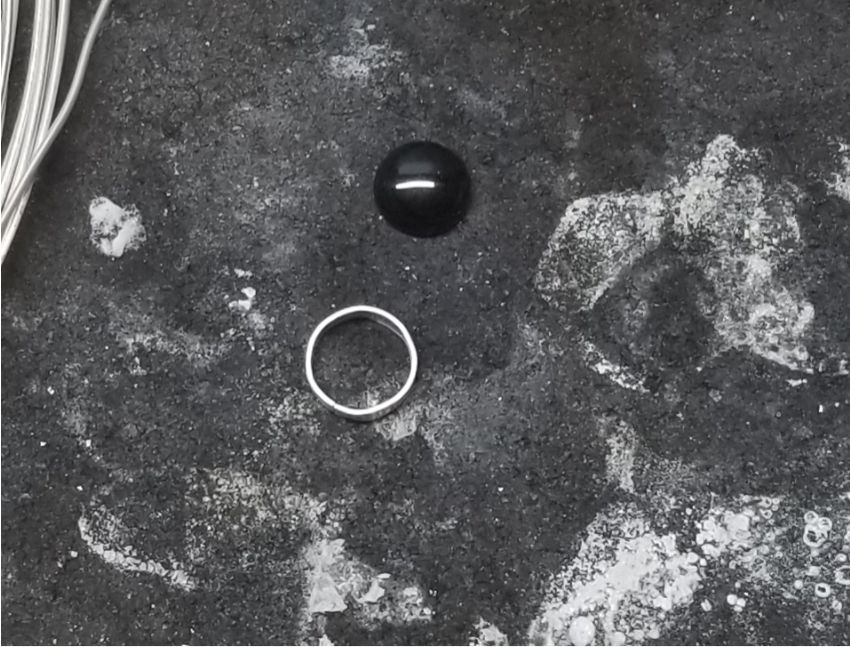
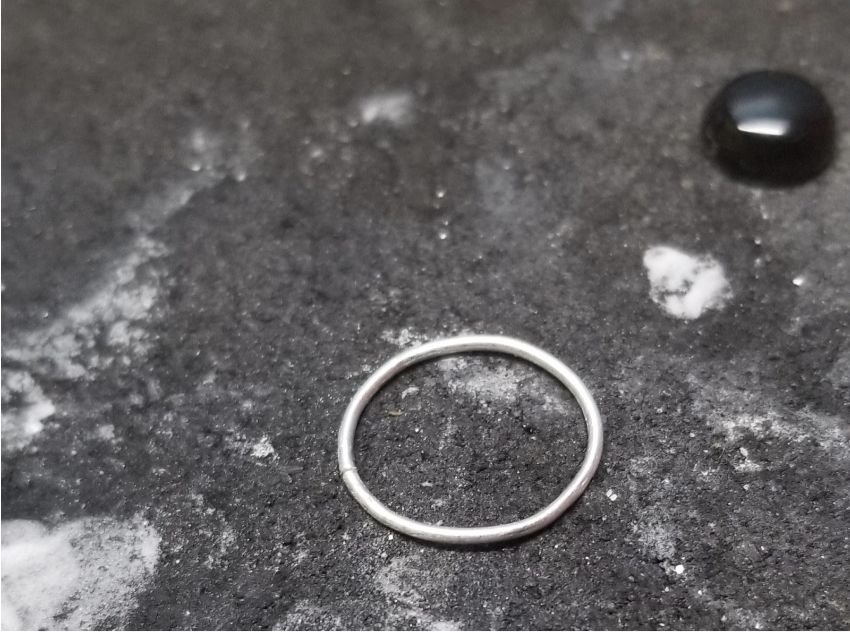
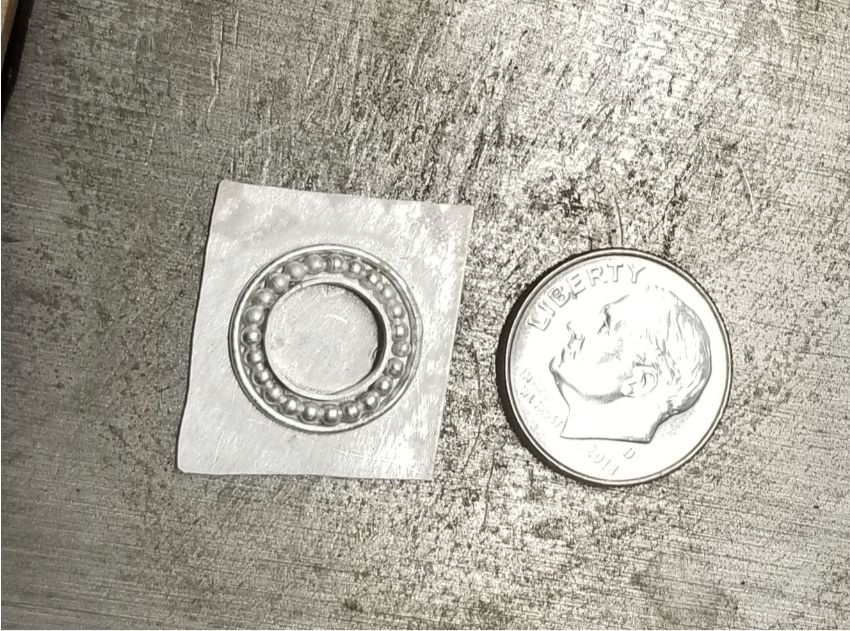
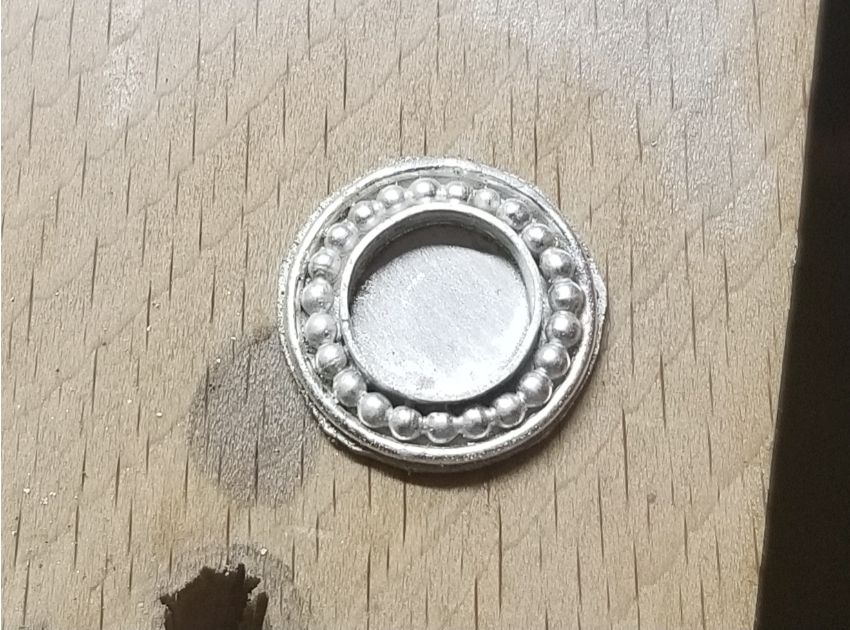
    This is not the clasp type that I ended up reproducing, but I do have a photo of the one I made.
    My materials

    Each link is a piece of wire, and a bead, and you build the chain as you add links. Each of my wires was cut to around 9 cm. Cut longer pieces to start out with, if you’re new at this. The longer your tails are, the easier it is to manipulate them. 12 cm would be a good length, if your beads are similar to mine.

    Use your round nose pliers to make a large-ish eye. I had about 3 cm of wire at that initial bend, making up the eye. 3-4 cm is an okay length to work with. Any shorter is more difficult.

    Continue until it looks like this. A full loop.

    Use your pliers to twist the short end around a couple of times. Keep the spiral close and tight. Flat nose or round nose pliers work and practice really helps. You can use your pliers to snug your spiral up close to your loop, as well.

    Cut the end of the wire close to the spiral. Use needle nose or chain nose pliers to tighten up the cut end as much as possible.

    Slide a bead on and close the other end up. This is the only time you’ll close both sides without adding a link first.

    One link done

    Repeat the first few steps up to adding a bead. I’ve obviously done a few more here, but trust me, this is all rinse and repeat from here. When you get your next link to the point in the photo, go ahead and slide that tail onto your existing link, so that the eyes are linked.

    Like this!

    Sorry about the beads changing, these were better photos of this step. I find it easiest to grasp the eye with pliers at this point, and then finish off this link. Contine adding links in the pattern of your choice until the necklace is the length you want.

    The original necklace is about 17.5″ overall, so I made this one around 16.5″. The rest of the length will come from the hook and eye.

    Hook and Eye Tutorial

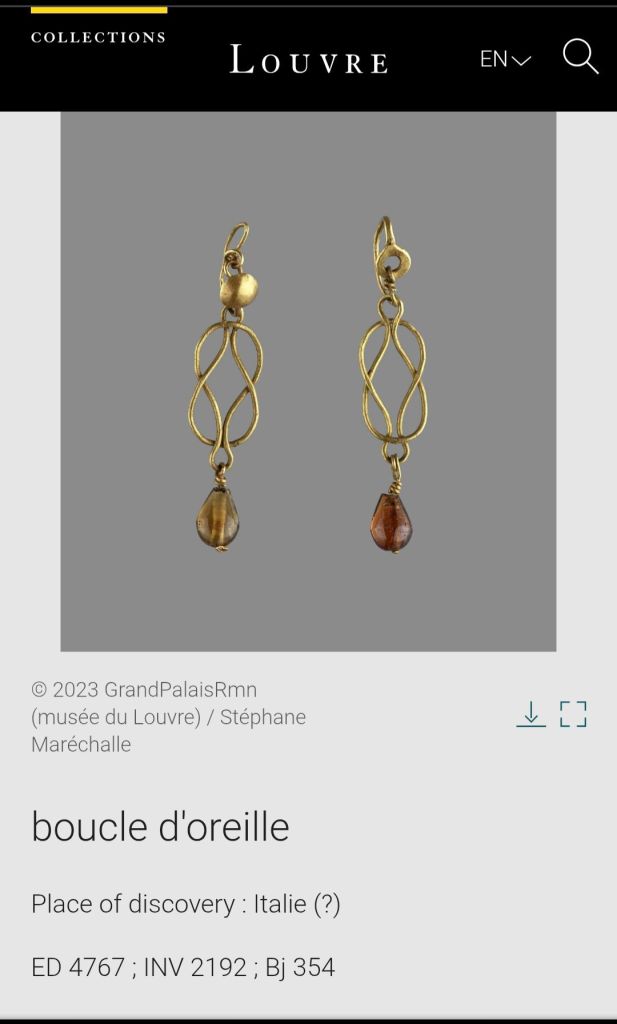
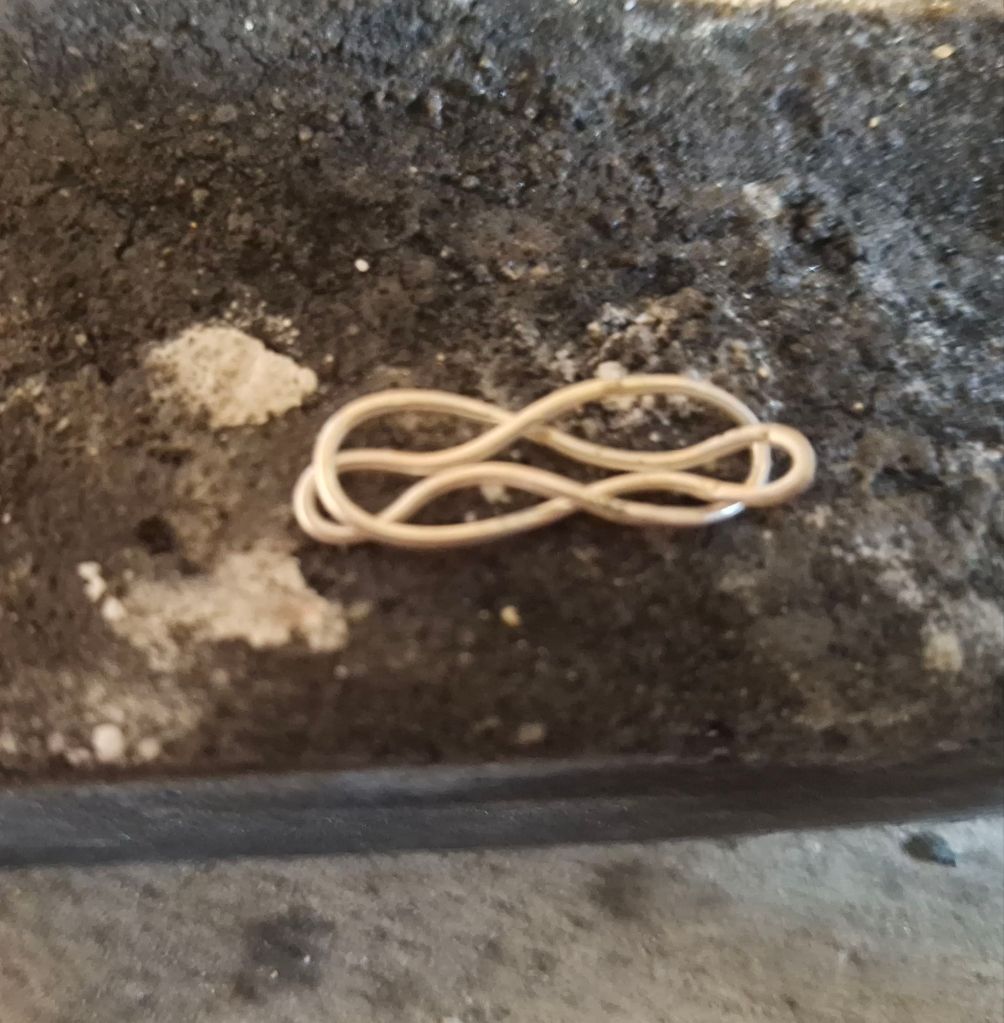
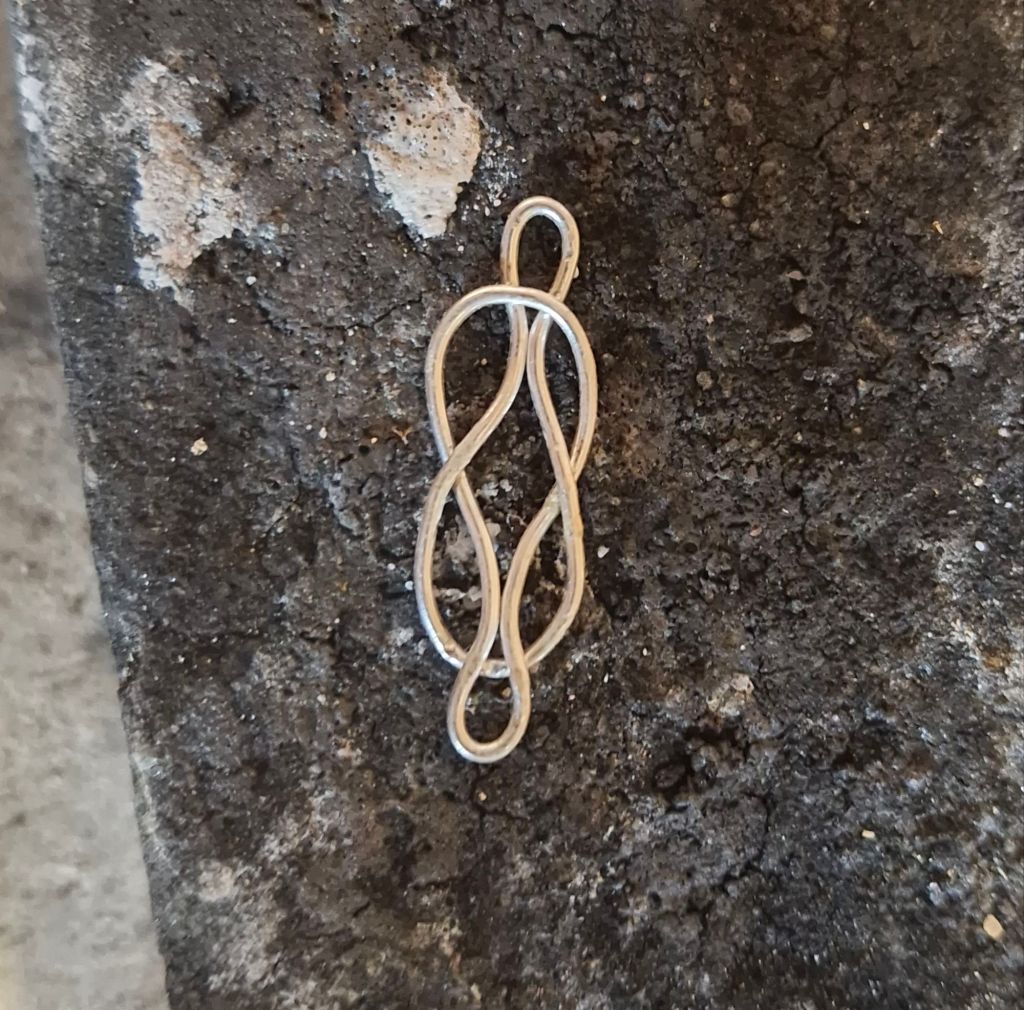
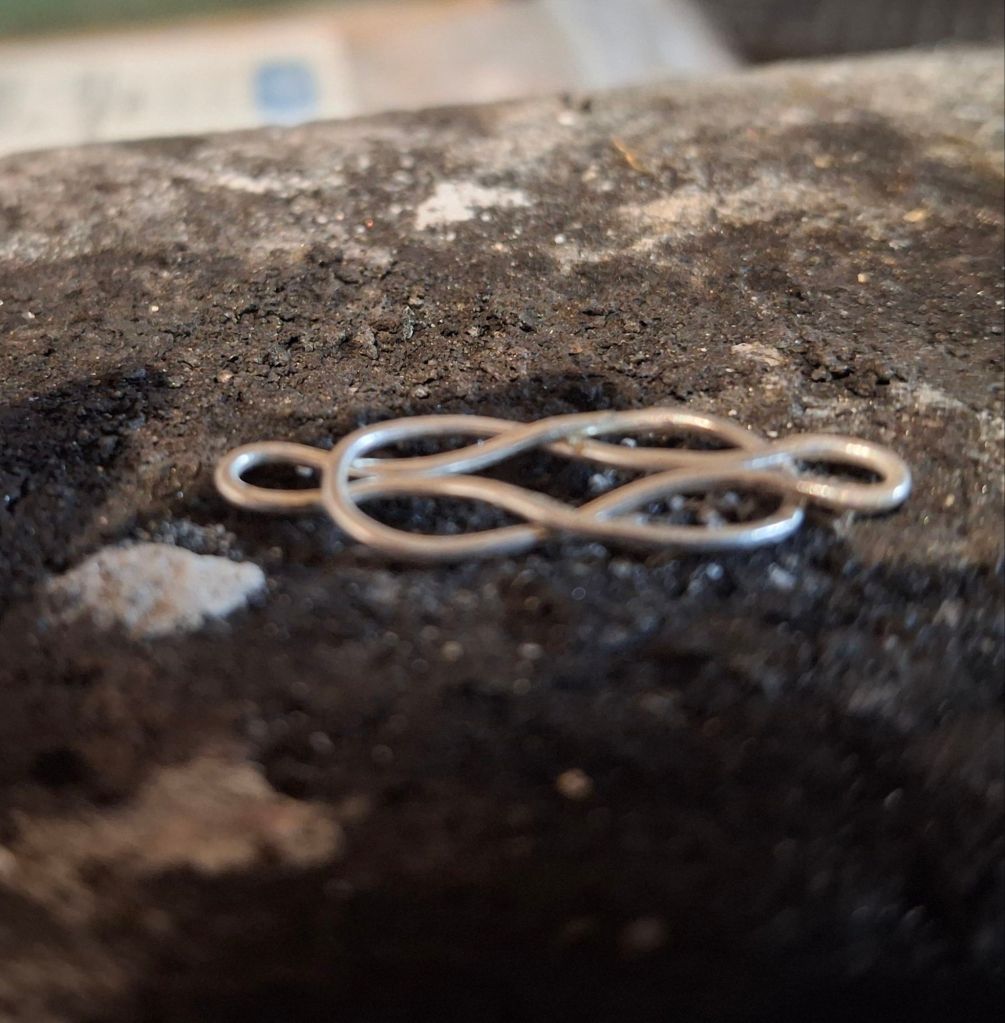
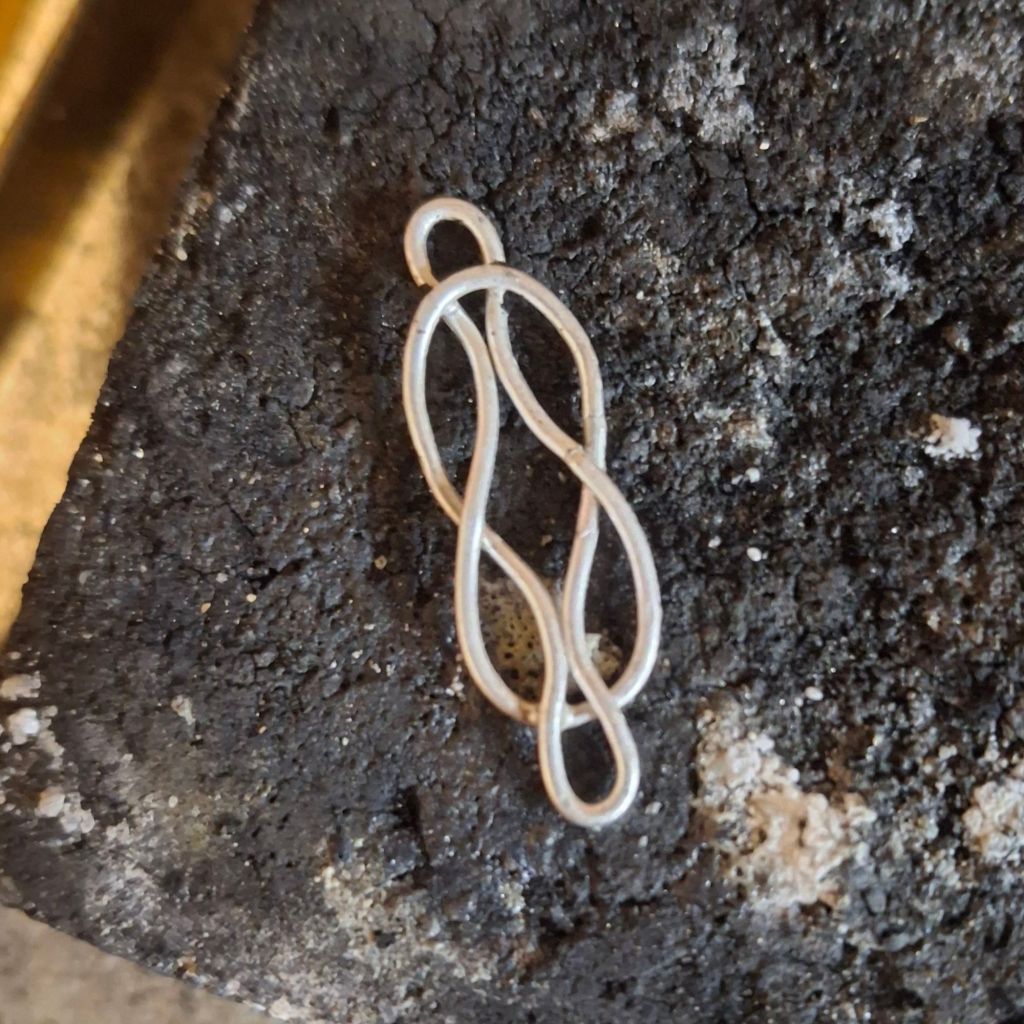
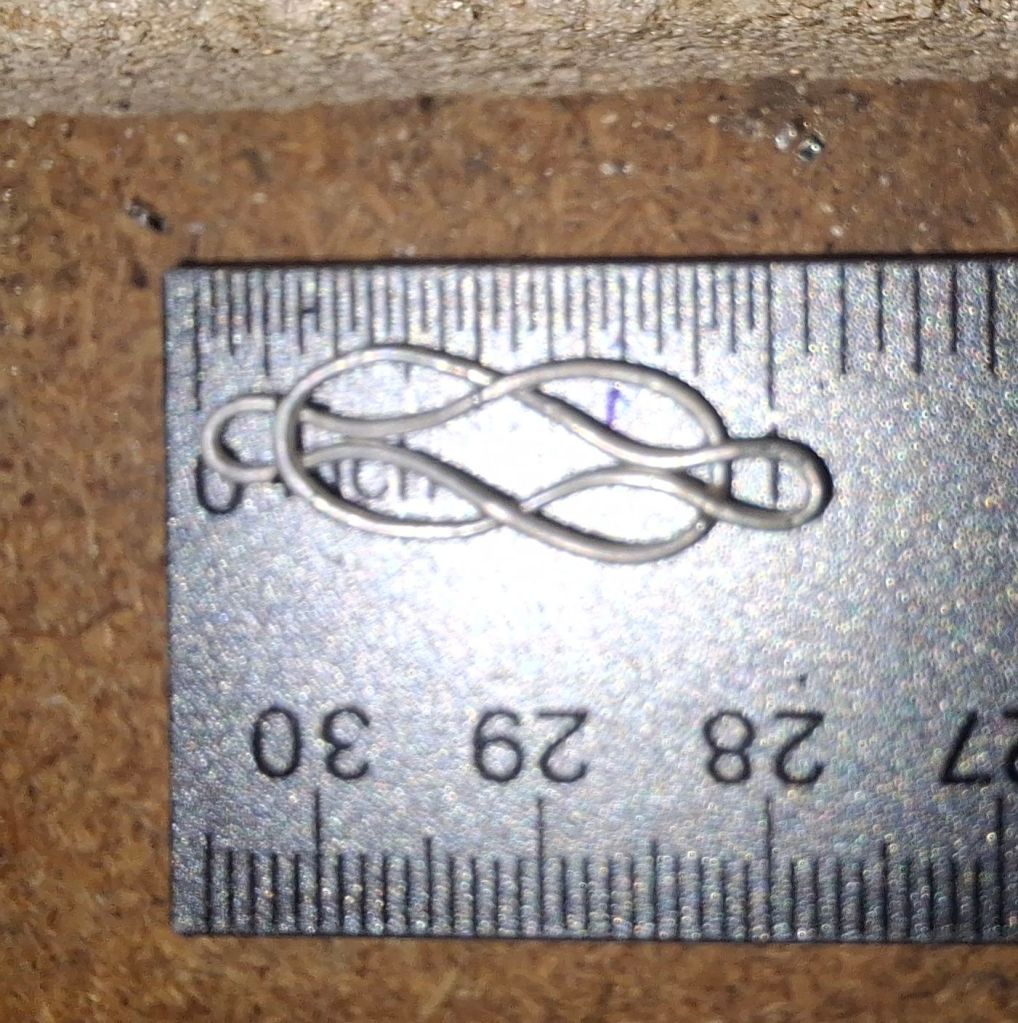
  • So my next jewelry project is a big undertaking. I want to make my own strip twist wire, and then turn that into a Hercules knot necklace (and redo my old Hercules knot necklace, which I did incorrectly the first time.) Strip twist wire is how wire was made in Rome, and everywhere else for that matter, prior to the invention of draw plates. Metal was beaten into a sheet. Cut into very thin strips, and then the strips were twisted kind of like candy canes. The flat edges curl up on the center spine, and a round wire is formed. It gets rolled between two flat, heavy plates to compact it. See the images below from “Jewelry Technology in the Ancient and Medieval World” by Jack Ogden.

    I definitely feel like this is a challenging thing, and I’m not at all sure I’ll succeed. But I want to try!

    Today was the start, and it was full of failures. I started with an ounce of silver, graciously gifted to me by my Laurel, Earl Cathyn, and working in his shop, because he’s got a beefier torch than I’ve got. Well, we learned that his torch isn’t beefy enough for casting. Even an ingot.

    At first, it seemed to be going well.

    First try, there was too much borax in the crucible, and we got melted borax on the metal. Along with a lumpy bit.

    We should have stopped here.

    We decided to try again. That was a mistake. We never got as good a pour again.

    This monstrosity was the second pour.

    The metal wouldn’t stay hot enough as it was coming out of the crucible. That continued to be our problem.

    You can see that melted borax still hanging on in this photo, too.

    Third try, the silver still didn’t want to stay melted in the crucible. It was solidifying as I was pouring, even with the torch on it. The entire time, we were actually using two torches. An acetylene torch and an oxy-propane mini.

    At this point, we admitted defeat. We just didn’t have the fire power needed. We decided to melt the silver one last time, into a clean little round. If nothing else, I can forge that out into a sheet, and cut my strips from that.

    A comedy of errors, it got stuck in the crucible.

    So yeah, don’t do this. We built up too much of a borax glaze in the crucible to begin with. But this may happen, either way. The metal got stuck in a borax glaze bezel. So we had to heat it one more time to melt the borax and release the metal puck.

    Finally free!

    Cathyn was able to crack off most of that borax with a pair of heavy pliers, and I’m thinking I’ll bang off most of the rest of it with forging. It’s currently all on the back side of the piece. I’ll definitely get it all cleaned up before getting too far down the line with forging.

    So this was my/our misadventure this morning. I have zero experience with casting, and Cathyn has very little. So if anyone wants to offer advice, I’m here for it. I don’t know how much of it I’ll ever do, but I’d like to know more about it.

  • I learned how to do the magic hem from the internet a million years ago, but I’m doing my own post on it because I personally think that there cannot be too many sources on the subject. I have no idea who started this technique, or when. I’m absolutely not claiming that it’s in any way period. It IS a fantastic way to achieve an even, neat rolled hem. It can be used on straight edges and curves, making it wonderful for veils. I’ve been using it on my tunicas. In Rome, a tunica would have been woven to shape and either woven into a tube with no sewing, or sewn very little, using selvage edges. I’m not weaving my own fabric, and very rarely do I have selvage edges to work with. To get a minimal and unobtrusive edge finish, I do a small rolled hem. (Then I whip stitch the two hemmed edges together for my seam. I’m starting to rethink this approach, but right now it’s the most fabric conservative method, and using the vintage saris, I want to eke out as much width as I can get.)

    Anyway, the magic hem! It’s very simple. You fold a small (1/4″ or less) single hem. Start your thread at the raw edge. Take a stitch in the fold (about 2-3 mm). Take a small stitch (try to pick up just a few threads) at the raw edge, take another stitch in the fold, take another stitch at the raw edge. Don’t pull your stitches all the way snug yet. Just pull them so that they lay flat against your folded hem. Continue stitching in this manner for about 1 1/2-2″. Then pull your thread and let the final hem form. The fold will fold again, in on itself, encasing the raw edge. See the photos below.

  • Edited to add: I’m shooting for the mid- to late 1st century. When the stola was reserved for the wives of Senators and going out of fashion. I haven’t fully defined my persona, or time period, so I slide a little back and a little forward. My next tunica will slide even more forward and have clavii!

    My current Roman kit (for the warmer side of shoulder seasons and summer) isn’t perfect, but I’m fairly happy with it. It starts with, well frankly, it starts with modern undergarments because I’m not up to putting on a strophium in the morning. A strophium is a linen band that’s, for me, about 5-6″ wide by about 3ish yards long that gets wrapped around the breasts like a strapless bra. And whether it acts like a bra or a binder is debated. I’ll get there eventually, I’m sure, because I’m curious, but I’m also sure it’s never going to be a regular part of my garb.

    Anyway, moving on. We start with a white linen subucula, cut as a close fitting tunica recta. As in, only a scant few inches (3-4) more than my widest measurement, which happens to be my hip. Ankle length-ish, with a slit in one side for walking. I currently make this by folding the linen in half using the selvages for the top and bottom edges, cutting a slit for one arm on the fold, and seaming the other side, leaving the other arm hole open, as well as the walking slit. I believe the linen tunic is period, my construction is modern.

    This layer is followed by a silk tunica, either a wider tunica recta or a tunica chirodota (with sewn in sleeves). I use vintage saris that are plain (no dots or patterns) with the trim cut off for my silk. The material is debatable. There are enough references to silk in period to make it plausible for a very wealthy persona, depending on the decade (it went in and out of fashion and availability). By the third century CE, for example, it was literally worth its weight in gold. I’m going for earlier than that, however. It’s really probably not completely right, but also maybe not completely wrong, depending on how wealthy I want to pretend to be. The silk is relatively affordable, and drapes really well. I have plans to make additional tunicas out of wool (definitely what the majority of tunicas were made out of in period), both tropical weight that I could wear now in spring, as well as heavier weight for winter; I also want to make a few out of mid-weight linen. These are largely for layering and for camp-wear. I think that they’re also period. Even though the statues and frescoes show us all the lovely draping and folds that comes from gauze and open weave fabrics, there’s written evidence and Coptic finds of heavier weight linen. The Coptic ones, for the most part, post date my period of interest, but not by a whole lot for some. Some artwork would lend itself to the idea of heavier weight fabric, as well.

    Moving on, currently I only have one stola, and I made a tragic mistake when making it. I focused too much of my research on what the top of it looked like, and neglected the bottom. The length. I cut it woefully too short, not realizing that the things were worn double belted and bloused. *hangs head* Do what I say, not what I’ve done! This layer ought to be at least 20″ longer than it is. Thankfully, the palla hides my shame. You can’t really see what’s happening, or not happening, as it were. The glorious side of this stola is that it’s indigo dyed wool gauze, dyed by my friend, her Grace Jac (OL) of Northshield. Now, I don’t always wear the stola, because I like the late first century CE when the stola was going out of fashion.

    Edit 5/25/26: I didn’t do it wrong! A friend of mine (Duchess Livia, OL, An Tir) shared a photo with me of a banded, pleated stola on a statue that looks exactly like mine. It’s floor length, not double belted. And she taught me a very important lesson: no one “always” did anything a single way.
    Topping it all off is a wool gauze palla. Four yards of fabric draped like a giant shawl around the body. Wool gauze has become my favorite fabric on the planet. There’s not much to say about the palla, other than that it, unlike the stola, stays in fashion FOR EVER. Shawls are stylish like that.

    Shoes are currently most usually my old latchet shoes. Not the most correct for Roman. But they’re comfortable. I have a pair of modern sandals that blend, but aren’t that comfortable, so I don’t wear them often. And I’m nervous about buying calligae  online, but I’m going to eventually, if I can’t find a pair at An Tir West War this year.

    Resources: so far, I’ll be honest, my main resources have been other people. Dulcia’s Roman Closet and Romana Sum have been invaluable. (If I had paid slightly more attention to Tullia at Romana Sum, I wouldn’t have made that danged stola mistake!) I’ve also spent a lot of time studying Roman art in the form of statues, frescoes, and Fayum mummy portraits (mostly for the jewelry). I’ve read a few articles that honestly haven’t been particularly helpful, but I’m most excited to have two books on their way to me right now. Roman Clothing and Fashion, by Croom and The World of Roman Costume by Sebesta.

    Photo by Sean Wolfe
    Without the stola
  • This is a topic dear to my heart. I was having a casual conversation with some friends a year ago, after getting deep into making Roman jewelry, but not having researched Roman jewelers all that much. I made the offhand comment that there weren’t any Roman female goldsmiths. But as soon as the words left my mouth, the assertion bothered me. I had no way of knowing if I was right. So I did some digging. And lo. I was (so happily) wrong! It’s contested, but there are several women with grave inscriptions indicating “aurifex”, literally, “goldsmith”. The most famous of which is Pompeia Helena.
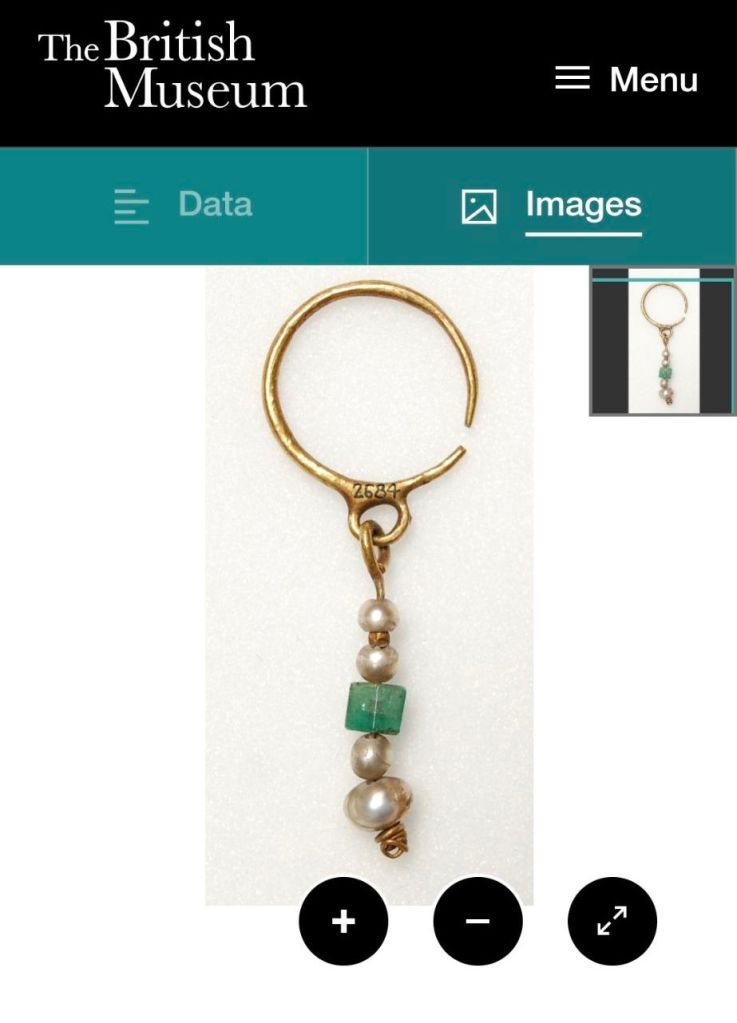
    It’s contested by one author, whom I haven’t read, John K. Evans, who suggested that aurifex may, in this context, mean “keeper of gold items”. However, Clemente Marconi, in The Oxford Handbook of Greek and Roman Art and Architecture, takes it for granted that women goldsmiths existed (p 125). Personally, I side with Marconi. Aurifex (on the grave, per Wikipedia, it literally says “aur (i) ficis” which is the “nominative, accusative, or vocative plural form of the third-declension masculine noun aurifex” (Google)) is used in the masculine form, rather than the feminine. There is surely another Latin word out there that better translates into “bearer of gold” or “keeper of gold”, and would show up in the feminine form. I think that women were doing the goldwork.

    Additionally, Jack Ogden, in Jewelry Technology in the Ancient and Medieval World, discusses gender. “Sweetest daughter Vincentia” was a Roman “gold weaver” who died at just 9 years and 9 months old. (p 345) We don’t know exactly what a “gold weaver” was. She most likely literally woven gold into cloth, probably silk. At nine years old, she was working with two of the most expensive materials in the economy. We also see, per Ogden, husbands and wives who worked together as gold beaters. (Brattiarius/brattiaria). These were skilled artisans who made gold leaf and gold sheet.

    These examples of women with job titles that are related to goldsmithing, but are not “aurifex”, further strengthen my belief that if “bearer of gold” or “keeper of gold” were specific jobs, that’s the title that would have been used, rather than the masculine word for goldsmith. It moreover strengthens my belief that Pompeia Helena was doing what might have even then been seen as a traditionally masculine job, and actually making jewelry.

    Of note, one of the other women that Marconi sites is Sellia Epyre, a 1st century aurivestrix. Note the different job, note the feminine nature of the job name. It’s been translated, per Wikipedia, to mean gold embroiderer. I would, with my extremely limited knowledge of Latin, guess embroidery on clothing? It’s a step too far from goldsmithing for me, though not for Marconi.

    I wish that I had more than two real sources on this topic (plus Wikipedia). There are several books on my wishlist, but they keep getting bumped for jewelry books. Also, my wishlist book are about Roman women generally, because that’s what’s there. I don’t know what more I’m going to find on this topic, in particular. I’m definitely open to suggestions!
  • I am Elizabeth Blackburn in the Society for Creative Anachronism, local to the Barony of Stromgard, kingdom of An Tir. I am a seamstress and metalsmith who works primarily in fine silver. Technically, I am a goldsmith even though, fun fact: I’m allergic to gold! You will never catch me working with it, however I do make jewelry, predominantly Roman.

    There were female goldsmiths in Imperial Rome! We know this thanks to epitaphs that indicate profession. While some have posited that women with certain crafting professions were, rather than the makers, sellers or custodians of the finished product. However, there is little more than misogyny to support that claim. I believe, based on my resources, that there were female craftspeople in Imperial Rome, including goldsmiths.

    It is far less likely that there were female goldsmiths in medieval England. There were definitely seamstresses, though!

    Why “Seams like a lady”? Because my real passion is construction, rather than patterning. Not that all of my garb is hand sewn, or even hand finished (I have a day job, after all), but most of it is hand finished, and my Roman is all hand sewn. It’s been a minute since I’ve visited my sewing research, as I’ve been focused more on metal, but as I’m at the beginning of a new set of 14th century garb, having outgrown my old clothes, I’m getting back into it.

    Expect to see some of my old blog posts, from seamslikealady.blogspot.com, to show up on here, but also expect to find class handouts, (new and improved) tutorials, and lots of progress pics on this site!